Refined Digital Insight Inc.

Author name: martinsykoraff74688c40

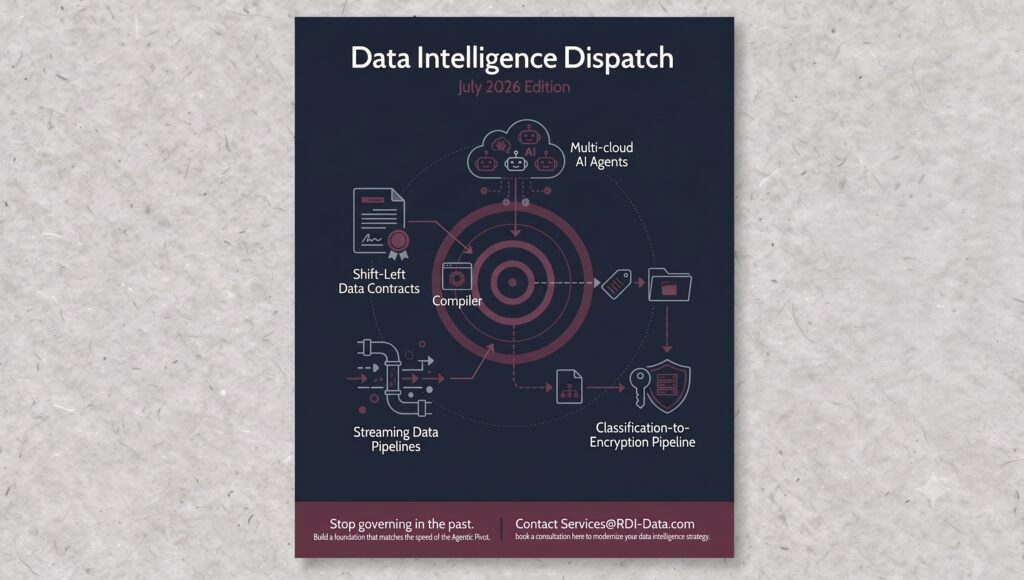
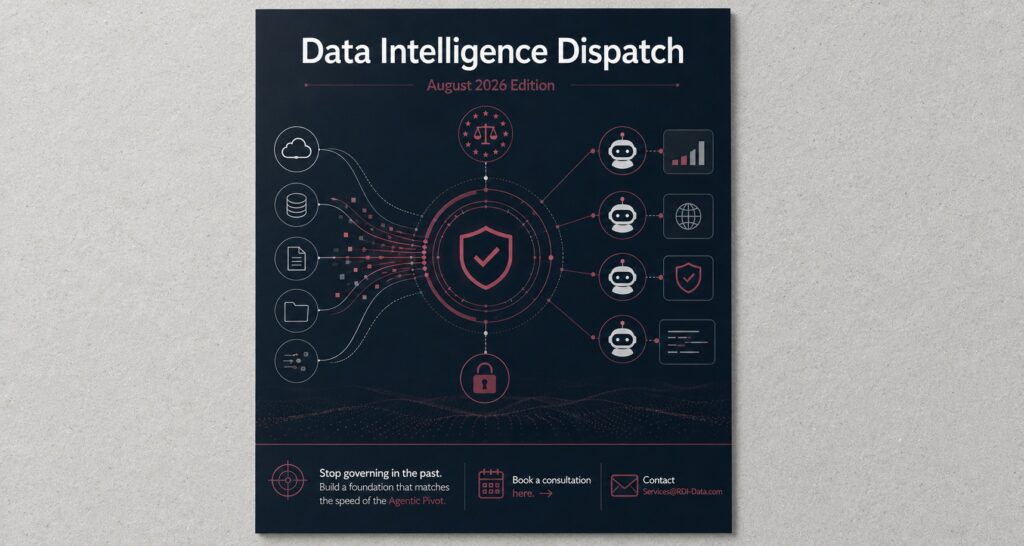
Welcome to the July 2026 edition of the Data Intelligence Dispatch. This past month marked a major inflection point in enterprise data strategy: organizations are moving beyond basic model experimentation and confronting the operational reality of managing autonomous AI agents at scale.

The defining theme of July 2026 is contextual enforcement and data-centric protection. Modern enterprises are realizing that traditional perimeter-based governance and static metadata catalogs cannot keep up with multi-cloud AI agents, streaming pipelines, and unmapped unstructured files. By embedding governed context compilers, automated file classification-to-encryption pipelines, and shift-left data contracts directly into execution engines, leaders are turning data lineage and catalogs into live operational control planes.

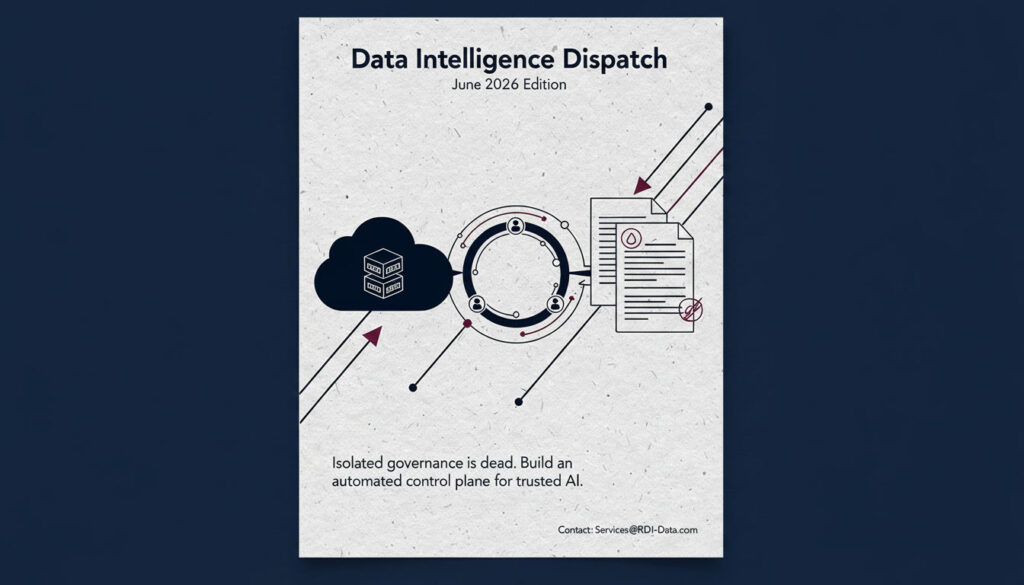
Welcome to the June 2026 edition of the Data Intelligence Dispatch. This month has solidified a dramatic baseline shift in enterprise data strategy: the era of passive “check-the-box” data logging is over.

As organization-wide pressure to deploy Agentic AI, conversational analytics, and retrieval-augmented generation (RAG) reaches a fever pitch, data leaders are encountering a hard reality. The defining theme of June 2026 is the rapid transition toward unified, multi-platform control planes. Frontrunner organizations are recognizing that manual documentation cannot scale alongside automated code generation and autonomous agents. By natively weaving bi-directional metadata synchronization, active data catalogs, and deep file-level discovery directly into core cloud data clouds, companies are turning data intelligence into an active, automated defense against algorithmic failure and regulatory liabilities.

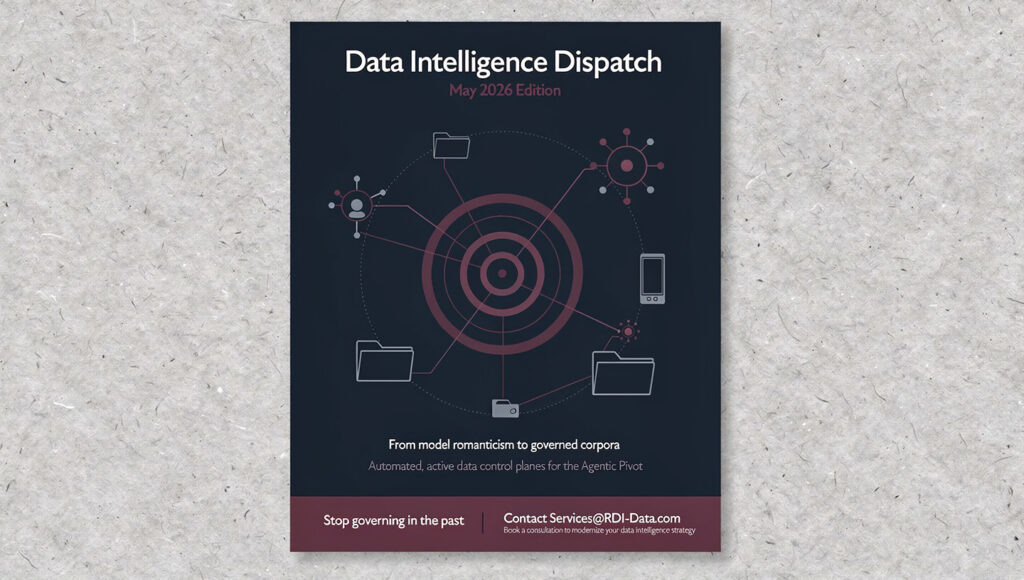
Welcome to the May 2026 edition of the Data Intelligence Dispatch. This past month has marked a definitive transition in corporate data strategy: the industry has moved sharply past the romanticism of “model quality” and landed squarely on the practical mechanics of governing the corporate corpus.
As organizations deploy autonomous AI agents at an exponential rate, the traditional boundaries of data management have broken down. The defining trend of May 2026 is the rise of automated, active data control planes—systems that embed data lineage, semantic catalogs, and file-level classification directly into real-time workflows. Leaders are realizing that to survive regulatory enforcement and eliminate the “hallucination tax,” data must be machine-readable, human-verifiable, and fully auditable at the moment of execution.

Scroll to Top